


Introduction
In the dynamic landscape of modern business, the underlying IT infrastructure is no longer just a support function; it’s a strategic asset. Australian enterprises, like their global counterparts, face a constant imperative to adapt to rapid technological advancements, surging data demands, and an increasingly distributed workforce. The right IT hardware forms the bedrock of everything from remote operations and robust network scalability to stringent security protocols and seamless cloud adoption.
As we approach 2026, understanding the trajectory of the IT hardware market in Australia is critical for IT Managers, Network Engineers, and Enterprise Technology Buyers. This article delves into the pivotal trends shaping this market, offering practical insights to optimise operational efficiency, ensure resilient connectivity, and achieve significant cost optimization in an ever-competitive environment. For businesses aiming to future-proof their infrastructure, a clear grasp of these trends is essential for making informed investment decisions that drive growth and maintain a competitive edge.
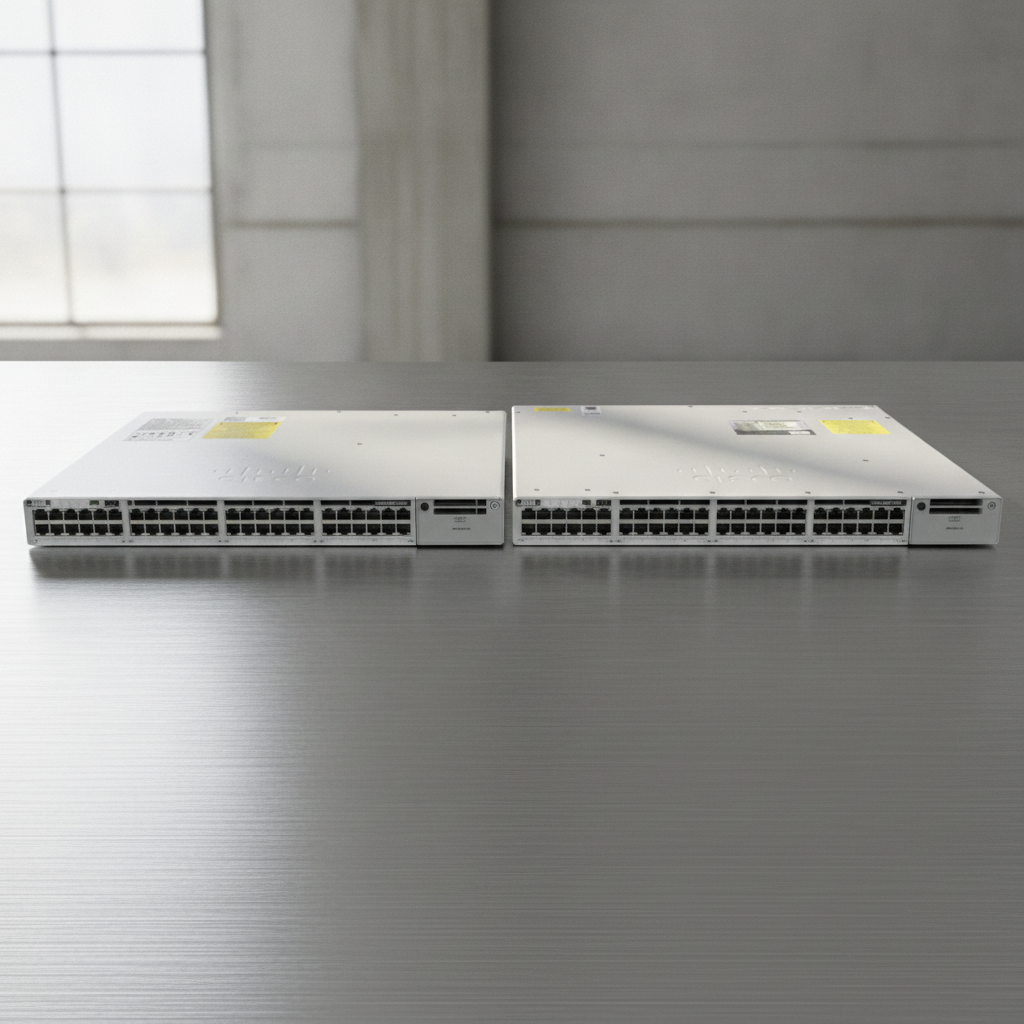
Understanding IT Hardware Market in Australia 2026 – Trends Businesses Should Know
What it is and how it works
The IT hardware market in Australia is a multifaceted ecosystem encompassing everything from powerful servers and data centre infrastructure to sophisticated enterprise networking equipment, advanced wireless solutions, and robust security appliances. In 2026, this market isn’t just about procuring physical devices; it’s about making strategic investments that directly impact an enterprise’s ability to innovate, scale, and secure its operations. The market’s workings are influenced by global supply chain dynamics, local economic conditions, regulatory shifts, and, most critically, the evolving technological needs of Australian businesses.
For an enterprise, this means navigating a complex interplay of technology refresh cycles, vendor roadmaps, and the strategic integration of hardware components into a cohesive architecture. It involves understanding how new generations of Cisco switches, Meraki access points, or Ubiquiti devices fit into existing frameworks, how 4G/5G connectivity modules enhance failover capabilities, and how edge computing hardware can bring processing power closer to data sources. The decisions made here directly influence network performance, data processing capabilities, and the overall resilience of the digital backbone.
Key components and enterprise architecture
A modern enterprise architecture relies on a diverse range of hardware components, each playing a critical role in data flow, processing, and security.
- Networking Infrastructure: This forms the nervous system of any organisation. It includes high-performance routers and switches (from vendors like Cisco and Aruba) for core data centres and campus networks, alongside Software-Defined Wide Area Network (SD-WAN) appliances for optimising traffic across distributed environments. Enterprise WiFi solutions, leveraging access points from Cisco Meraki or Ubiquiti, provide robust wireless connectivity for employees and guests, while 4G/5G gateways are increasingly vital for resilient connectivity, acting as primary or failover links in remote or branch offices.
- Server and Storage Solutions: The computational backbone, encompassing rack-mounted servers, blade systems, and increasingly, hyperconverged infrastructure (HCI) that integrates compute, storage, and networking into a single, software-defined platform. Storage solutions range from high-capacity Network Attached Storage (NAS) and Storage Area Networks (SAN) for traditional data centres to all-flash arrays for demanding applications.
- Security Appliances: Next-generation firewalls (e.g., Fortinet), intrusion prevention systems (IPS), secure web gateways, and dedicated hardware for VPN and SASE (Secure Access Service Edge) are critical for protecting against sophisticated cyber threats. These appliances are often deeply integrated into the network flow, inspecting traffic and enforcing policies at multiple layers.
- Industrial and Specialised Hardware: For sectors like manufacturing, mining, or logistics, industrial networking equipment (ruggedised switches, IoT gateways) is essential to operate in harsh environments. This also extends to specialised IT hardware solutions for specific operational technology (OT) requirements.
These components must be meticulously integrated into a scalable infrastructure, whether deployed in a central data centre, at the network edge, or across numerous remote sites. Understanding their interplay is key to designing a resilient, high-performing, and secure enterprise network.
Business Benefits and Enterprise Use Cases
Why enterprises are adopting this technology
The strategic investment in advanced IT hardware is driven by tangible business benefits that directly impact an organisation’s bottom line and operational agility:
- Scalability and Agility: Modern hardware platforms are designed for future growth, allowing businesses to expand operations, accommodate more users, and handle increasing data volumes without costly, disruptive overhauls. Cloud-managed infrastructure, such as Cisco Meraki, offers unparalleled agility in scaling network services up or down as needed.
- Reliability and Business Continuity: Robust hardware, coupled with features like redundancy planning and 4G/5G failover, ensures high availability of critical services, minimising downtime and protecting revenue streams. This is paramount for businesses where every minute of outage translates to significant losses.
- Enhanced Security Posture: Next-generation hardware, including advanced firewalls and network security appliances, provides foundational protection against evolving cyber threats, safeguarding sensitive data and intellectual property. Integrated security features across the network are becoming standard.
- Operational Efficiency and Simplified Management: Automated management tools, AI-driven networking capabilities, and centralised control planes (e.g., SD-WAN controllers, Cisco DNA Center) reduce the burden on IT teams, allowing for more efficient resource allocation and faster problem resolution.
- Optimised Performance: High-speed networking components and powerful servers enable faster data processing, lower latency applications, and a superior user experience, which is vital for productivity and customer satisfaction.
- Cost Savings: While initial investment can be substantial, optimised hardware selection, energy-efficient solutions, and longer hardware lifecycles can lead to significant Total Cost of Ownership (TCO) reductions. Furthermore, leveraging managed networking services can convert CAPEX to OPEX and provide expert support.
Real-world deployment examples
To illustrate these benefits, consider various enterprise deployment scenarios:
- Retail Chains: A national retailer deploys SD-WAN across its numerous branches, leveraging centralised management to optimise traffic for POS systems, cloud applications, and customer WiFi. Each branch has 4G/5G failover for uninterrupted payment processing and essential connectivity, even during wired network outages. Enterprise WiFi solutions provide seamless connectivity for staff inventory management and customer engagement.
- Warehouses and Logistics Operations: Large distribution centres implement industrial networking hardware (ruggedised Cisco switches, Ubiquiti access points) to connect thousands of IoT sensors, robotic systems, and mobile devices in harsh environments. This scalable infrastructure supports real-time inventory tracking, automated sorting, and predictive maintenance, drastically improving operational efficiency.
- Healthcare Facilities: Hospitals and remote clinics upgrade their network infrastructure with high-performance, secure Cisco networking equipment to support electronic health records (EHR), telehealth services, and critical medical devices. Robust network security appliances protect sensitive patient data, while redundant links ensure continuous access to vital systems.
- Remote Branch Offices: A professional services firm rolls out Cisco Meraki full-stack solutions to its small, geographically dispersed offices. This cloud-managed infrastructure provides simplified management of firewalls, switches, and enterprise WiFi, allowing centralised IT teams to monitor and troubleshoot remotely without on-site visits.
- Industrial IoT and Smart Cities: Infrastructure projects deploy specialised IT hardware and robust 4G/5G connectivity for monitoring smart streetlights, environmental sensors, and traffic management systems, pushing compute capabilities to the edge for real-time data processing and decision-making.
- Data Center Modernisation: Financial institutions or large enterprises upgrade their data centre environments with the latest Cisco infrastructure, high-density switching, and flash storage arrays to support virtualisation, private cloud initiatives, and big data analytics, enhancing performance and reducing latency for critical applications.
Implementation Guide and Best Practices
How businesses can get started
Embarking on an IT hardware infrastructure upgrade or new deployment requires careful planning and execution for Australian enterprises:
- Current State Assessment: Conduct a comprehensive audit of existing infrastructure, identifying bottlenecks, security vulnerabilities, and areas lacking scalability. Understand your current and projected data consumption, user density, and application requirements.
- Define Business Requirements and Goals: Clearly articulate what the new hardware needs to achieve. Is it improved network security, greater operational efficiency, enhanced remote connectivity, or preparation for cloud migration? Link hardware investments directly to business objectives.
- Strategic Planning & Budgeting: Develop a detailed roadmap, outlining phases, timelines, and realistic budgets. Consider both CapEx for new purchases and OpEx for ongoing managed services, support, and energy consumption. Explore options for sourcing both legacy and next-generation equipment to balance cost and performance.
- Hardware Selection & Compatibility: Choose hardware that aligns with your architectural vision. Evaluate vendor ecosystems (e.g., Cisco, Meraki, Ubiquiti, Fortinet) for compatibility with existing systems and future expansion. Consider performance metrics, reliability ratings, and energy efficiency. Don’t overlook the importance of sourcing hard-to-find networking equipment, which a specialist supplier can assist with.
- Pilot Projects: For significant deployments, consider a pilot program in a controlled environment. This allows for testing functionality, identifying unforeseen challenges, and refining the deployment strategy before a full rollout.
- Engage an Expert Partner: Collaborate with an experienced Australian supplier like Prology, who offers deep technical knowledge, can assist with sourcing the right hardware, and provide guidance on complex enterprise networking and IT infrastructure projects.
Best practices for enterprise deployment
Successful IT hardware deployment in enterprise environments adheres to a set of robust best practices:
- Network Segmentation: Implement granular network segmentation to isolate critical systems, user groups, and IoT devices. This limits the blast radius of security breaches and enhances network performance. Utilise VLANs, VRFs, and firewall rules extensively.
- Redundancy Planning: Design for redundancy at every critical layer – power supplies, network links, hardware components (N+1, N+N). This includes implementing 4G/5G failover for WAN connections to ensure uninterrupted operation.
- Cybersecurity Considerations First: Integrate network security from the ground up, not as an afterthought. This involves deploying next-gen firewalls (e.g., Fortinet), intrusion detection/prevention systems, and ensuring endpoint security. Adopt a Zero Trust architecture where possible.
- Centralised Management: Leverage platforms like Cisco DNA Center, Meraki dashboard, or SD-WAN controllers for unified visibility, configuration, and management across your entire networking infrastructure. This simplifies operations and enhances remote visibility.
- Scalability Planning: Design infrastructure with future growth in mind. Choose modular hardware, plan for additional ports, processing power, and storage capacity. Consider the long-term impact of emerging technologies.
- Monitoring and Analytics: Implement comprehensive monitoring tools to track network performance, hardware health, and security events in real-time. Proactive analytics can identify potential issues before they impact operations, reducing downtime.
- Vendor Ecosystem Alignment: Stick to a consistent vendor ecosystem (e.g., predominantly Cisco for switches and routers, Meraki for cloud-managed enterprise WiFi, Fortinet for security) where possible, to simplify integration, reduce complexity, and leverage consolidated support.
- Documentation and Training: Maintain thorough documentation of network architecture, configurations, and procedures. Ensure IT staff receive adequate training on new hardware and management systems.
Common mistakes enterprises should avoid
Even experienced IT teams can fall prey to common pitfalls during IT hardware deployment:
- Underestimating Scalability Needs: Deploying hardware that meets current demands but lacks the capacity for future growth often leads to premature replacements and increased costs. Always over-provision slightly.
- Neglecting Security in Initial Design: Bolting security onto an existing network is far less effective and more costly than designing it in from the outset. Cybersecurity should be a foundational consideration.
- Ignoring Total Cost of Ownership (TCO): Focusing solely on the upfront purchase price without considering ongoing costs like power consumption, cooling, maintenance, software licenses, and support can lead to budget overruns.
- Poor Planning for Legacy System Integration: Assuming new hardware will seamlessly integrate with all existing systems without thorough compatibility testing can lead to significant operational disruptions.
- Overlooking Supply Chain Challenges: Failing to account for lead times, especially for hard-to-find networking equipment or custom configurations, can delay critical projects. Partnering with a supplier with robust logistics and sourcing capabilities is crucial.
- Lack of Skilled Personnel: Investing in advanced hardware without ensuring the IT team has the necessary skills to manage, operate, and troubleshoot it effectively renders the investment sub-optimal.
- Failing to Implement Proper Monitoring: Deploying hardware without setting up comprehensive monitoring and alerting systems means operating in the dark, leading to reactive instead of proactive issue resolution.
Future Trends and Industry Outlook
Looking towards 2026 and beyond, the IT hardware market in Australia will continue its rapid evolution, driven by several transformative trends:
- AI-Driven Networking: The integration of Artificial Intelligence and Machine Learning into networking hardware and management platforms will enable self-optimising, self-healing networks. This will enhance operational efficiency and predictive maintenance, making networks more resilient and easier to manage.
- Edge Computing Expansion: As IoT deployments proliferate and real-time data processing becomes critical, the demand for robust edge computing hardware will surge. This pushes compute and storage closer to the data source, reducing latency and bandwidth requirements for applications in industrial networking, retail, and smart cities.
- Private 5G for Enterprises: Beyond public 5G, the adoption of private 5G networks will grow significantly, offering dedicated, secure, and high-performance wireless connectivity for campuses, factories, and other large operational sites. This will drive demand for specialised 5G infrastructure hardware.
- SD-WAN and SASE Convergence: The adoption of SD-WAN will continue its upward trajectory, with a greater emphasis on integration with Secure Access Service Edge (SASE) frameworks. This combines network and security services into a unified, cloud-delivered platform, simplifying remote connectivity and bolstering network security for distributed workforces.
- Cloud-Managed Infrastructure Dominance: The shift towards cloud-managed solutions (like Cisco Meraki) for switches, access points, and firewalls will intensify, offering unparalleled flexibility, remote management capabilities, and simplified deployment across global footprints.
- Automation and Orchestration: Infrastructure-as-Code and advanced automation tools will become standard for provisioning, configuring, and managing IT hardware, leading to greater consistency, fewer errors, and faster deployments.
- Sustainability and Circular Economy: Increasing focus on environmental responsibility will drive demand for energy-efficient hardware, responsible disposal, and the growth of the refurbished IT hardware market. Businesses will look to extend the lifecycle of their equipment where possible, aligning with green initiatives.
These trends underscore the importance of agile infrastructure planning and selecting hardware that is not only powerful today but also adaptable to the demands of tomorrow.
Conclusion
The IT hardware market in Australia through 2026 presents both challenges and unparalleled opportunities for businesses prepared to make strategic, forward-thinking investments. The insights shared—from the critical components of enterprise architecture to best practices in deployment and an outlook on future trends—highlight that successful infrastructure planning goes far beyond mere procurement. It demands a deep understanding of how hardware enables business objectives, fosters operational resilience, and secures digital assets in an increasingly complex threat landscape.
For Australian IT managers and enterprise technology buyers, navigating these trends requires a trusted partner with profound technical knowledge and the ability to source both cutting-edge and hard-to-find enterprise networking equipment. By strategically embracing scalable infrastructure, enhancing network security, and ensuring resilient connectivity, businesses can position themselves for sustained growth and innovation. Evaluating future-ready networking solutions and operational hardware is not just an IT task; it’s a strategic imperative for every modern enterprise.