


Navigating the Investment: How Much Does a Business Network Cost in Australia?
Introduction
In today’s interconnected Australian business landscape, a robust and reliable network isn’t just an IT asset; it’s the operational backbone for growth, efficiency, and competitive advantage. As organisations increasingly embrace remote operations, cloud adoption, and data-driven strategies, the demands on their underlying IT infrastructure have never been greater. Network scalability, paramount security, seamless connectivity, and operational efficiency are no longer luxuries but fundamental requirements. But what does it really take to build and maintain such a critical system? Many IT managers and enterprise technology buyers grapple with a core question: “How much does a business network cost in Australia?”
This isn’t a simple question with a single dollar figure answer. The cost of a business network is a multi-faceted equation influenced by an organisation’s size, complexity, industry, connectivity requirements, and long-term strategic goals. From initial hardware acquisition and deployment to ongoing maintenance, security, and potential upgrades, understanding the full scope of investment is crucial for effective budgeting and achieving optimal return on investment. This article will dissect the key cost drivers, offer practical insights for Australian enterprises, and help you navigate the financial landscape of modern networking infrastructure.
Understanding How Much Does a Business Network Cost in Australia?
What it is and how it works
At its core, a business network is a complex system designed to facilitate communication and resource sharing among users, devices, and applications within an organisation. For Australian enterprises, this typically involves a blend of local area networks (LANs), wide area networks (WANs), and wireless networks, all interconnected and secured. It’s the circulatory system of modern business, enabling everything from email and file sharing to mission-critical applications, cloud services, and real-time data analytics.
In a typical enterprise scenario, data travels through a series of interconnected components. Users access resources via wired Ethernet connections or enterprise WiFi (e.g., using Cisco Meraki access points). This traffic is aggregated by network switches, often segmented for security and performance using VLANs. Routers manage traffic flow between different networks and connect the internal network to the internet or other remote sites via dedicated WAN links or VPNs, potentially leveraging SD-WAN for optimised performance across multiple connections. Firewalls and other security appliances diligently inspect traffic, safeguarding against cyber threats. The entire architecture must be resilient, scalable, and secure, supporting everything from a small branch office to a sprawling data centre environment.
Key components and enterprise architecture
The total cost of a business network in Australia is directly tied to its architecture and the quality of its components. Here’s a breakdown of the typical elements and their financial implications:
- Networking Hardware: This is often the most significant initial investment.
- Routers: Essential for connecting multiple networks and directing data traffic. Enterprise-grade routers from vendors like Cisco, Fortinet, or Juniper vary widely in price based on performance, features (e.g., VPN, SD-WAN capabilities), and port density.
- Switches: Form the backbone of your LAN, connecting devices within a local network. Managed switches (e.g., Cisco Catalyst, Meraki, Aruba) offer advanced features like VLANs, QoS, and PoE, and are significantly more expensive than unmanaged consumer-grade alternatives.
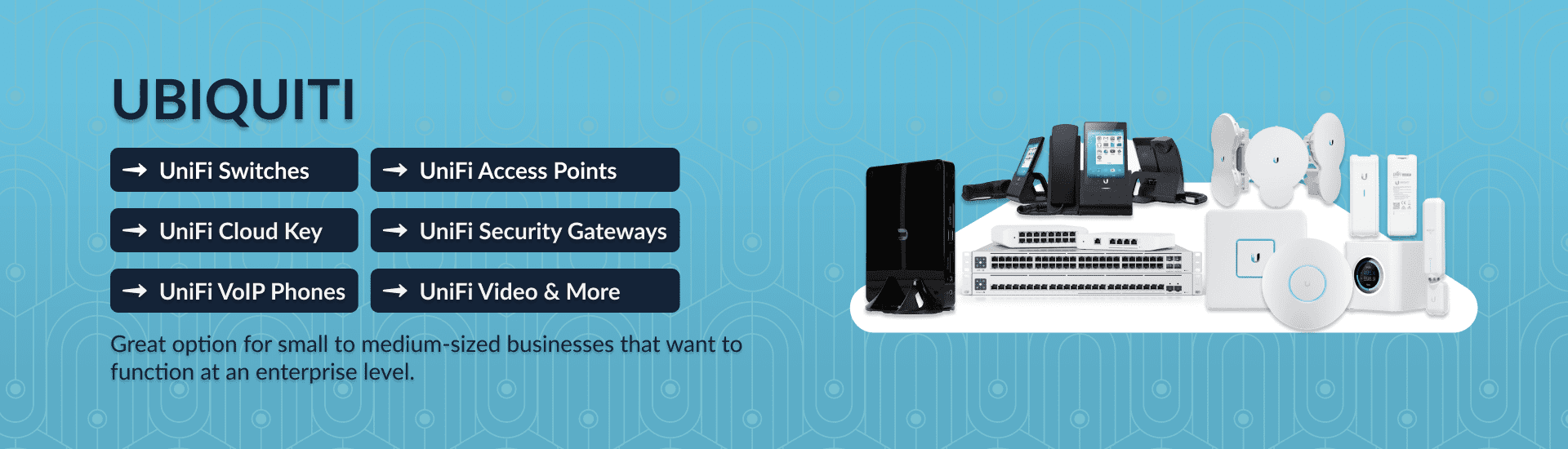
- Wireless Access Points (WAPs): For ubiquitous enterprise WiFi coverage. Solutions from vendors like Cisco Meraki, Ubiquiti, or Aruba offer centralised management, robust security, and scalable performance critical for modern offices, warehouses, and campuses. The number and type (indoor/outdoor, Wi-Fi 6/6E) greatly influence cost.
- Firewalls/Security Appliances: Critical for network security, protecting against external threats and enforcing access policies. Leading brands include Fortinet, Palo Alto Networks, and Cisco ASA/Firepower. These devices often come with ongoing subscription costs for threat intelligence and software updates.
- Cabling Infrastructure: The physical foundation. This includes structured cabling (Cat6/6a, fibre optic), patch panels, and racks. Installation costs can be substantial, especially in existing buildings or large new constructions.
- Software and Licensing:
- Network Operating Systems: Often bundled with hardware but require ongoing support contracts.
- Management Platforms: Centralised dashboards for monitoring, configuration, and troubleshooting (e.g., Cisco DNA Center, Meraki Dashboard, FortiManager). These often have subscription fees.
- Security Software: Antivirus, intrusion detection/prevention systems (IDS/IPS), and other security applications require licenses.
- Internet Service Provider (ISP) and Connectivity:
- WAN Links: Dedicated fibre, NBN business plans, fixed wireless, or 4G/5G connectivity for remote sites and failover. Monthly recurring costs vary based on bandwidth, SLA, and location.
- Redundancy: Implementing multiple ISP connections or a 4G/5G failover solution adds to monthly operational costs but significantly improves network resilience.
- Professional Services:
- Design and Planning: Engaging network architects or consultants to design a scalable and secure network.
- Installation and Configuration: Labour costs for deploying hardware, configuring devices, and integrating systems.
- Training: Ensuring internal IT staff can manage the new infrastructure.
- Ongoing Operational Costs:
- Maintenance and Support Contracts: Essential for hardware warranties, software updates, and technical assistance.
- Monitoring and Management Tools: Subscription services for network performance monitoring, analytics, and automation.
- Staffing: Salaries for IT managers, network engineers, and support personnel.
- Power and Cooling: For network closets, server rooms, and data centres.
Business Benefits and Enterprise Use Cases
Why enterprises are adopting this technology
The investment in a robust business network, while significant, delivers profound business advantages that far outweigh the initial outlay. Enterprises in Australia are prioritising modern network infrastructure for several critical reasons:
- Scalability: A well-designed network can grow with your business, accommodating new users, devices (including IoT), and applications without needing a complete overhaul. This protects your initial investment.
- Reliability and Uptime: Redundant components, failover strategies (including 4G/5G failover), and robust hardware minimise downtime, ensuring continuous operations and safeguarding revenue.
- Enhanced Security: Advanced firewalls, network segmentation, and integrated security platforms (e.g., from Fortinet or Cisco) protect sensitive data, comply with regulations, and defend against evolving cyber threats.
- Operational Efficiency: High-performance networks reduce latency, speed up application access, and support automation, leading to increased productivity across the organisation. SD-WAN, for instance, can optimise traffic flow across multiple links, improving application performance for distributed teams.
- Simplified Management: Cloud-managed infrastructure (like Cisco Meraki) and centralised management platforms simplify configuration, monitoring, and troubleshooting, reducing the burden on IT staff and improving remote visibility.
- Cost Savings: While there’s an upfront cost, a resilient and efficient network reduces long-term operational expenses by minimising downtime, improving staff productivity, and optimising bandwidth usage. Leveraging options like high-quality refurbished Cisco infrastructure can also significantly cut hardware acquisition costs without compromising performance or reliability.
- Remote Connectivity: Secure VPNs, zero-trust network access (ZTNA), and robust remote access solutions enable productive work-from-anywhere models, crucial for Australian businesses with distributed teams.
Real-world deployment examples
Consider these enterprise scenarios demonstrating the value and scale of business network deployments:
- Retail Chains: A national retail chain needs robust enterprise WiFi for POS systems, inventory scanners, customer engagement apps, and guest Wi-Fi across hundreds of stores. Each location requires secure VPN tunnels back to a central data centre, often with 4G/5G failover for uninterrupted operations during primary link outages. Centralised management via a platform like Cisco Meraki allows IT to deploy new policies and monitor network health across all sites from a single dashboard.
- Warehouses and Logistics Operations: Large warehouses rely on industrial networking for automated guided vehicles (AGVs), RFID readers, and ruggedised handheld devices. A high-density wireless network (e.g., Ubiquiti UniFi for cost-effectiveness or Cisco for large-scale enterprise) with robust coverage and roaming capabilities is critical. Network segmentation protects operational technology (OT) from IT networks, enhancing security.
- Healthcare Facilities: Hospitals and clinics require ultra-reliable, secure, and high-bandwidth networks for electronic health records (EHR), medical imaging, telehealth services, and real-time patient monitoring. Network security is paramount for HIPAA compliance and patient data privacy. Redundant fibre infrastructure, robust firewalls, and 24/7 monitoring are standard.
- Remote Branch Offices: Businesses with multiple branch offices across Australia leverage SD-WAN to efficiently manage traffic, prioritise critical applications, and reduce reliance on expensive MPLS lines. This ensures consistent performance for cloud applications and unified communications, even over less reliable internet connections, often with automatic 4G/5G failover.
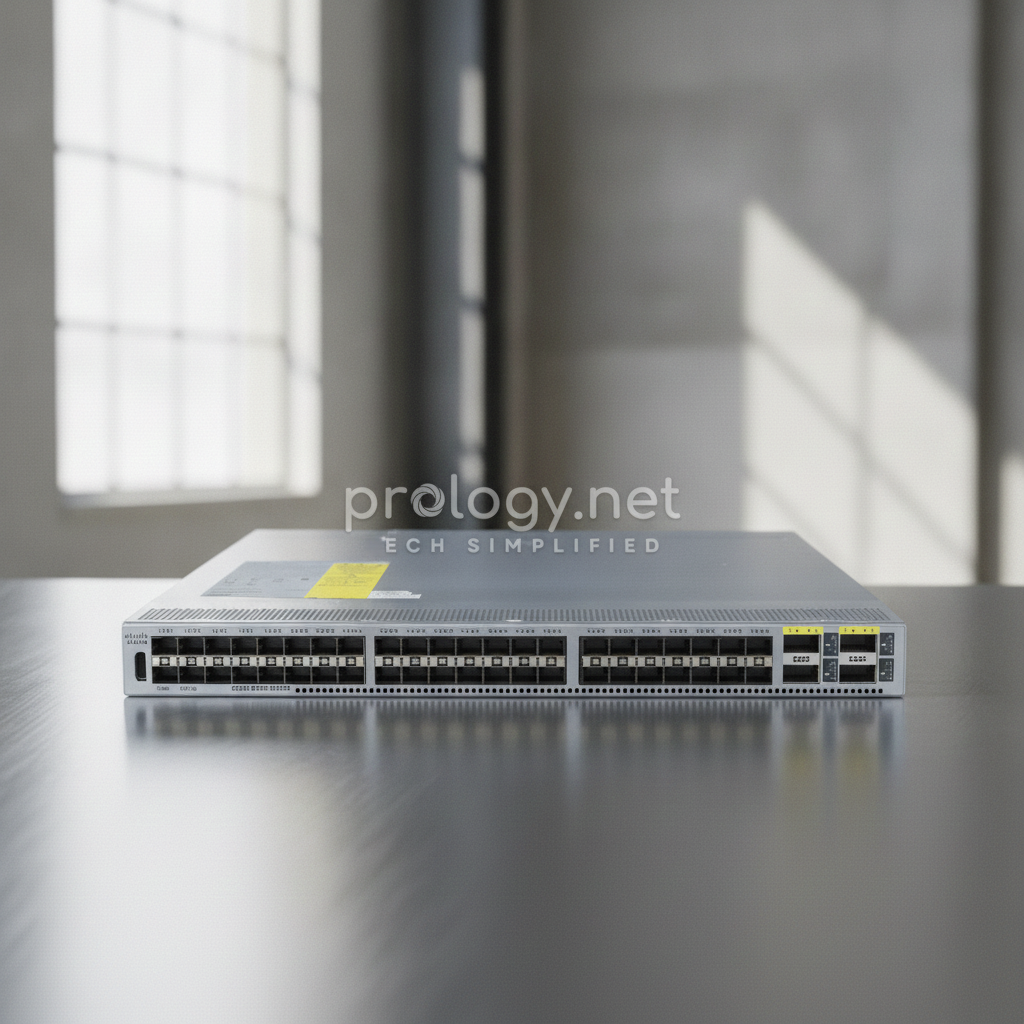
- Data Center Environments: For enterprises operating their own data centres or co-location facilities, the network infrastructure is immensely complex. This involves high-performance Cisco switches (e.g., Nexus series), redundant firewalls, load balancers, and a finely tuned fibre optic backbone to support virtualisation, cloud connectivity, and large-scale data processing. Scalability and low latency are non-negotiable.
- Industrial IoT (IIoT): Manufacturing plants and mining operations deploy industrial networking solutions (e.g., robust switches from Cisco or Siemens) to connect sensors, PLCs, and SCADA systems. These networks must withstand harsh environments, provide real-time data for operational insights, and integrate securely with enterprise IT systems. Private 5G networks are emerging as a powerful solution for these highly distributed and demanding environments.
Implementation Guide and Best Practices
How businesses can get started
Embarking on a network overhaul or new deployment requires strategic planning and a clear understanding of your organisation’s specific needs. To estimate how much a business network will cost in Australia, start with these steps:
- Needs Assessment & Discovery: Define your current and future requirements. How many users, devices, and locations? What applications are mission-critical? What are your bandwidth needs? What are your security and compliance obligations?
- Budget Definition: Establish a realistic budget, distinguishing between capital expenditure (CAPEX) for hardware and infrastructure, and operational expenditure (OPEX) for subscriptions, services, and ongoing maintenance. Consider the total cost of ownership (TCO) over 3-5 years.
- Vendor and Technology Selection: Research reputable enterprise networking vendors like Cisco, Meraki, Ubiquiti, Fortinet, and Aruba. Evaluate solutions based on features, scalability, support, and integration capabilities. Consider leveraging high-quality refurbished hardware, especially for established vendors like Cisco, which can significantly reduce CAPEX without sacrificing performance or reliability.
- Network Design: Work with experienced network architects or MSPs to design an optimal network topology, including IP addressing schemes, VLAN segmentation, and security zones.
- Hardware Acquisition: Source your chosen hardware. For Australian businesses, partnering with a trusted local supplier like Prology can streamline the acquisition process, especially for hard-to-find or legacy equipment, ensuring compatibility and local support.
- Phased Deployment: Plan a phased rollout to minimise disruption. Start with core infrastructure and gradually integrate edge devices and services.
Best practices for enterprise deployment
To ensure your network investment delivers maximum value and longevity:
- Network Segmentation: Implement VLANs and firewall rules to segment your network. This isolates different departments, device types (e.g., IoT, guest Wi-Fi), and critical systems, enhancing security and containing breaches.
- Redundancy and Failover Strategies: Build resilience into your design. Deploy redundant hardware (e.g., dual firewalls, stacked switches) and implement multiple ISP links. Integrate 4G/5G failover solutions to maintain connectivity during primary link outages, crucial for business continuity.
- Robust Cybersecurity Posture: A network is only as strong as its weakest link. Deploy next-generation firewalls (NGFWs), intrusion prevention systems (IPS), and endpoint detection and response (EDR). Implement strong access controls, multi-factor authentication, and regular security audits. Consider solutions from Fortinet, Palo Alto Networks, or Cisco Umbrella.
- Centralised Management: Leverage cloud-managed infrastructure (e.g., Cisco Meraki) or on-premise network management systems (e.g., Cisco DNA Center, Aruba Central) for a unified view of your entire network. This simplifies configuration, monitoring, and troubleshooting, especially across distributed environments.
- Scalability Planning: Design with future growth in mind. Ensure your chosen hardware and software can scale to accommodate increased users, bandwidth, and new technologies (e.g., Wi-Fi 6E, IoT devices) without requiring a complete rip-and-replace.
- Proactive Monitoring and Analytics: Deploy tools for real-time network performance monitoring, traffic analysis, and anomaly detection. This allows IT teams to identify and resolve issues before they impact users.
- Vendor Ecosystem Alignment: Choose vendors and technologies that integrate well together to avoid compatibility issues and simplify management. For example, a Cisco-heavy environment can benefit greatly from other Cisco solutions or compatible third-party tools.
Common mistakes enterprises should avoid
Even experienced IT teams can fall into common traps when deploying business networks:
- Under-provisioning: Skimping on hardware specifications or bandwidth leads to performance bottlenecks, frustration, and costly premature upgrades. Always factor in future growth.
- Neglecting Security from the Outset: Bolting on security as an afterthought is risky and expensive. Security must be an integral part of the design phase, not an add-on.
- Poor Documentation: Lack of comprehensive documentation for network diagrams, IP schemes, configurations, and passwords creates major headaches during troubleshooting, upgrades, or staff changes.
- Ignoring Lifecycle Management: Failing to plan for hardware end-of-life (EOL) or software end-of-support (EOS) can leave your network vulnerable and unsupported. Regular refresh cycles are essential.
- Vendor Lock-in: While vendor ecosystems can offer benefits, over-reliance on a single vendor can limit flexibility and negotiation power. Balance standardisation with strategic diversification.
- Inadequate Training: Deploying complex new systems without properly training IT staff on management and troubleshooting can negate the benefits and lead to operational inefficiencies.
- Forgetting About Physical Infrastructure: Overlooking power, cooling, and structured cabling requirements can lead to reliability issues, costly reworks, and environmental problems for your hardware.
Future Trends and Industry Outlook
The landscape of enterprise networking and infrastructure is in constant evolution, driven by emerging technologies and shifting business demands. Understanding these trends is crucial for Australian businesses planning their long-term network strategy and assessing how much a business network will cost in Australia in the coming years.
- AI-Driven Networking: Artificial intelligence and machine learning are increasingly integrated into network management platforms. These systems can autonomously detect anomalies, predict outages, optimise performance, and even self-heal, significantly reducing manual intervention and improving operational efficiency.
- Edge Computing: As more data is generated at the “edge” (e.g., retail stores, factories, remote sensors), processing and storage are moving closer to the data source. This requires robust, secure, and often industrial-grade networking at the edge, reducing latency and reliance on centralised cloud resources.
- Private 5G: For industrial campuses, large enterprises, and critical infrastructure, private 5G networks offer dedicated, high-performance, and ultra-reliable wireless connectivity, superior to traditional Wi-Fi in certain use cases, especially for mobile devices and high-bandwidth IoT. This is a significant consideration for next-gen connectivity costs.
- SD-WAN Adoption Continues to Soar: Software-Defined Wide Area Networking (SD-WAN) will become even more pervasive, offering greater agility, cost efficiency, and optimised application performance across diverse WAN connections, including 4G/5G.
- Cloud-Managed Infrastructure: The shift towards cloud-managed networking (like Cisco Meraki) will accelerate, offering simplified deployment, centralised management, and enhanced visibility from anywhere, reducing the need for on-site IT resources.
- Automation and Orchestration: Network automation through tools and scripting will become standard, enabling faster deployment of services, consistent policy enforcement, and reduced human error, streamlining operations and lowering OPEX.
- Enhanced Security Integration: Security will become even more embedded into the network fabric, moving beyond perimeter defence to a zero-trust architecture where every connection is verified. Secure Access Service Edge (SASE) frameworks, combining networking and security functions in the cloud, will gain traction.
These trends underscore the need for flexible, intelligent, and secure network infrastructure. Investing in solutions that can adapt to these advancements is key to future-proofing your business operations and optimising the long-term cost of your network.
Conclusion
Determining “How much does a business network cost in Australia?” is a multifaceted exercise, deeply influenced by the unique requirements, scale, and strategic objectives of each enterprise. It’s clear that the investment extends far beyond just hardware acquisition, encompassing crucial elements like software, connectivity, professional services, and ongoing operational overhead. However, viewing this as merely a cost overlooks the immense strategic value a well-architected network delivers—driving efficiency, bolstering security, enabling scalability, and ensuring business continuity in a dynamic market.
For Australian businesses, navigating this complex landscape requires deep technical expertise and a keen understanding of both legacy infrastructure and next-generation solutions. Whether you’re upgrading an existing network, deploying new enterprise WiFi, establishing resilient 4G/5G failover, or modernising your data centre, selecting the right components and partners is paramount. By focusing on scalable infrastructure, robust network security, and intelligent management, organisations can build a future-ready network that not only meets today’s demands but also provides a solid foundation for tomorrow’s innovations. Evaluate your options, plan strategically, and invest in a network that empowers your enterprise to thrive.